
More Than Sightseeing: How to Experience China Better
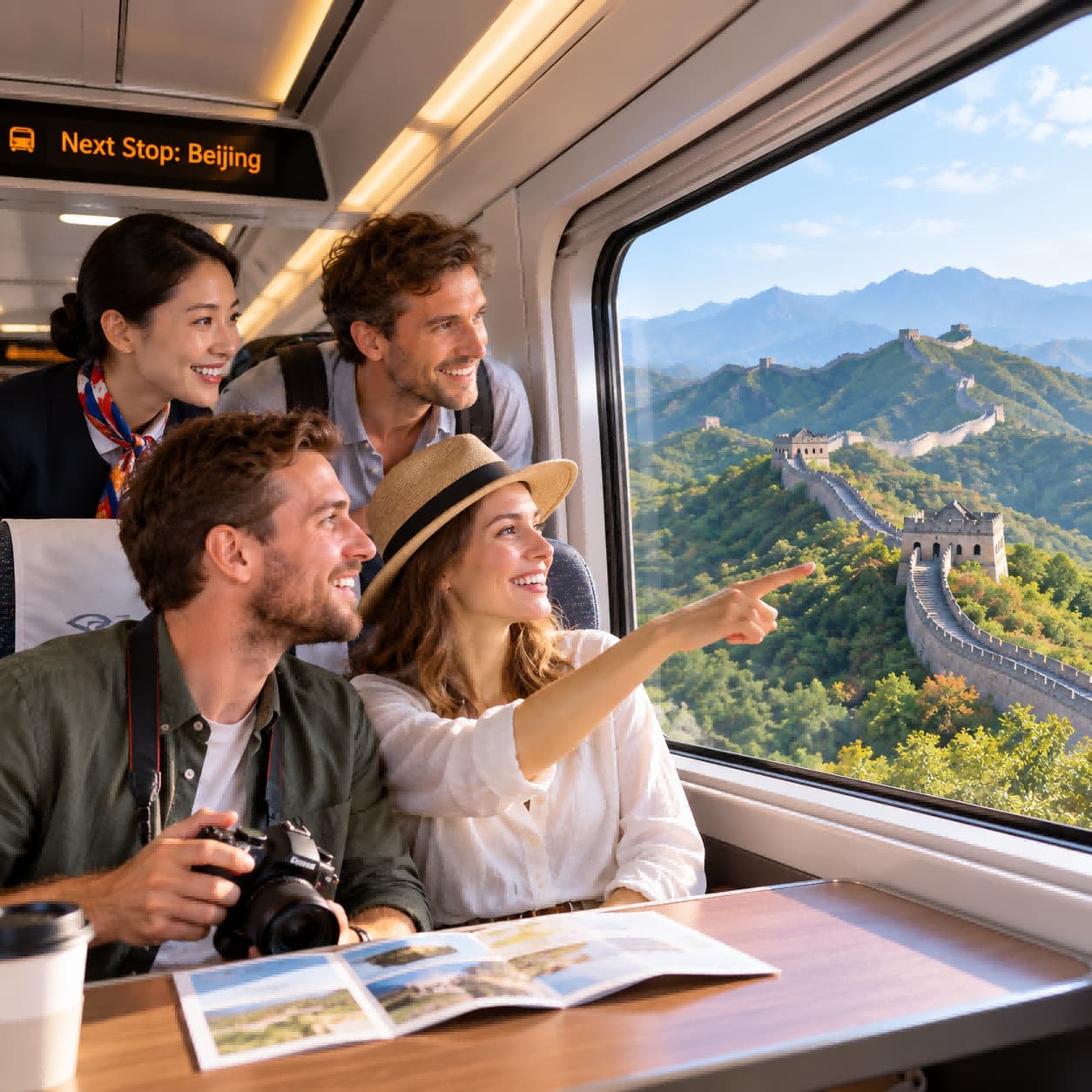
China’s best-known landmarks deserve their place in an itinerary. The Great Wall, the Forbidden City, the Terracotta Warriors and Shanghai’s skyline offer powerful first impressions, and many travelers arrive with these places at the top of their list. Yet a memorable journey is rarely created by checking off attractions alone. It comes from the way a trip is paced, explained and connected to the everyday life of each destination.
Experiencing China better starts with allowing time. A schedule that includes every major sight may look productive, but constant transfers and tightly timed visits can make destinations blur together. A more considered itinerary chooses priorities. It gives guests enough time to absorb a historic site, enjoy a meal without rushing, walk through a neighborhood or pause for a view. These unhurried moments often become the memories travelers talk about after returning home, because they create space for the destination to feel real rather than staged.
Context transforms sightseeing into understanding. A guide can explain how an imperial complex was used, why a local food tradition developed, or how a modern district grew around older streets. The purpose is not to overload visitors with facts. It is to give them a way to read what they are seeing. When guests understand the relationship between history, landscape and contemporary life, a visit becomes more meaningful. This is especially helpful in China, where ancient traditions and rapid modern development often appear side by side.
Small, place-based experiences can add depth when they are selected carefully. Depending on the route and the traveler’s interests, this may include a market visit, a tea-related activity, a cooking experience, a walk through a residential lane, a visit to a crafts district or time in a public park. Such moments should fit naturally into the day and respect the communities in which they take place. They are not valuable because they are unusual; they are valuable when they help travelers notice the rhythms, flavors and social life that make a city or region distinctive.
Food is one of the clearest ways to experience regional variety. China’s cuisines are shaped by climate, agriculture, migration and local history, so dining can be planned as more than a stop between activities. A local team can suggest meals that suit the guest’s comfort level, dietary needs and daily route, while helping visitors understand what makes a dish or dining style local. The aim is not to turn every meal into a formal lesson, but to make room for genuine enjoyment and discovery.
Better travel also means recognizing that different guests connect with a destination in different ways. Some want an early start for photography; others value a slower morning or more free time. Families may need short distances and flexible breaks. Advisors and operators can build stronger programs when local planning turns these preferences into workable arrangements. By combining iconic highlights with thoughtful pacing, local interpretation and room for personal curiosity, a China itinerary becomes more than sightseeing. It becomes a journey with texture, context and a lasting sense of place.